
How to Use Customer Data to Improve Sales
In the modern world of sales, data has become a major strategic asset. Companies that know how to collect, analyze, and use client data can not only personalize their approach, but also increase their sales and improve client satisfaction. The effective use of data allows for a better understanding of clients' needs, behaviors, and preferences, resulting in more precise and higher-performing sales strategies. This article explores the different ways to use client data to improve sales and maximize commercial results.
1. Collect the right client data
The first step in using client data for sales purposes is to ensure that you are collecting the right information. Client data can come from various sources, such as online interactions, previous purchases, survey responses, and social media behaviors.
Important data to collect includes demographic information (age, gender, location), purchase preferences, order histories, and past interactions with your customer service. This information will give you an insight into the needs and expectations of your clients, allowing you to better personalize your sales approach.
Tip:
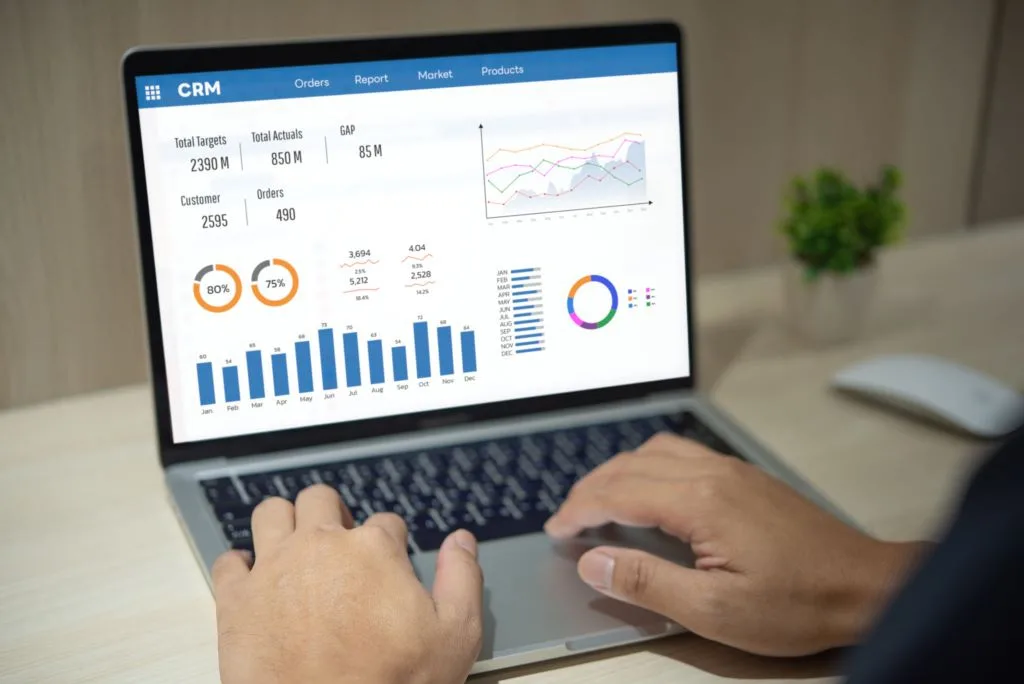
Use CRM (Customer Relationship Management) tools to centralize all client data. This facilitates access to information and enables a more in-depth analysis of your clients' behaviors and preferences.
2. Segment your client database
Once you have collected enough data, segmenting your client database becomes essential. Segmentation consists of dividing your clients into groups based on specific criteria, such as purchasing behavior, client lifetime value, or personal interests. This allows you to adapt your sales strategies to each segment, thereby increasing the relevance and effectiveness of your efforts.
For example, you can create segments for regular clients, new clients, and those who have not purchased for a certain period. By adapting your messages and offers to each segment, you can better meet the specific needs of each group and increase your chances of conversion.
Tip:
Use analytics tools to identify the most profitable and easiest-to-convert segments. Focus your efforts on these segments to maximize the impact of your sales campaigns.
3. Personalize the sales approach
One of the greatest advantages of using client data is the ability to personalize your sales approach. Rather than adopting a one-size-fits-all approach, you can tailor your messages, offers, and even your interactions based on specific data for each client.
For example, if a client has shown interest in a particular product by visiting its page on your website several times, you can send them a personalized offer or a follow-up email with more information about that product. Personalization shows clients that you understand their needs and are ready to meet their expectations, which reinforces loyalty and increases conversion rates.
Tip:
Integrate personalized recommendations into your marketing emails and on your website, based on clients' previous purchases and online behavior. This improves the client experience and encourages purchasing.
4. Predict future client needs
Through the analysis of client data, you can also predict the future needs of your clients and anticipate them. For example, by analyzing purchasing cycles or consumption habits, you can identify when a client is likely to need to renew a product or try a new service.
By anticipating these needs, you can offer proactive proposals that meet these expectations even before the client expresses them. This proactive approach shows that you are attentive to your clients' needs and can help increase sales and strengthen client satisfaction.
Tip:
Use predictive models based on artificial intelligence to analyze historical data and identify trends that indicate future needs. This allows you to stay ahead of the competition and offer relevant solutions at the right time.
5. Optimize marketing campaigns
Client data is also essential for optimizing your marketing campaigns. By analyzing the past performance of your campaigns, you can identify the most effective channels, the messages that resonate best with your audience, and the offers that generate the most conversions.
For example, if you find that your clients respond better to email campaigns with time-limited discounts, you can adjust your strategy to include more of these offers. Similarly, if you notice that a particular segment responds better to social media promotions, you can allocate more resources to that channel.
Tip:
Use marketing analytics tools to track the performance of your campaigns in real time. This allows you to adjust your strategies quickly and maximize the effectiveness of your marketing efforts.
6. Improve client experience
Client data can also be used to improve the overall client experience with your brand. By better understanding the preferences and behaviors of your clients, you can adjust your customer service, sales processes, and even your products to better meet their expectations.
For example, if data shows that your clients prefer a certain mode of communication, such as live chat rather than telephone, you can invest in improving that channel. Similarly, if you identify friction points in the purchasing journey, you can eliminate them to make the experience smoother and more pleasant.
Tip:
Involve your customer service team in data analysis to identify areas where the client experience can be improved. Responsive and personalized customer service can greatly influence client satisfaction and loyalty.
7. Measure and adjust sales strategies
Finally, the use of client data allows you to measure the effectiveness of your sales strategies and adjust them accordingly. By tracking key performance indicators (KPIs) such as conversion rates, average order value, or client retention rate, you can identify what is working and what needs to be improved.
By adjusting your strategies based on data, you can continuously improve your commercial performance and remain competitive in the market. This data-driven approach allows you to make informed decisions and maximize the effectiveness of your sales efforts.
Tip:
Set up dashboards to track your KPIs in real time and use the data to make quick and informed decisions. An agile, data-driven approach will allow you to react quickly to market changes.
In conclusion, the use of client data is a powerful strategy for improving sales and maximizing commercial results. By collecting the right information, segmenting your database, personalizing your approaches, predicting future needs, optimizing your marketing campaigns, improving the client experience, and measuring performance, you can transform data into a strategic asset for your company. With the support of specialized training, such as that offered by Human Formation, you can learn to master data analysis and use it to maximize your commercial success.