
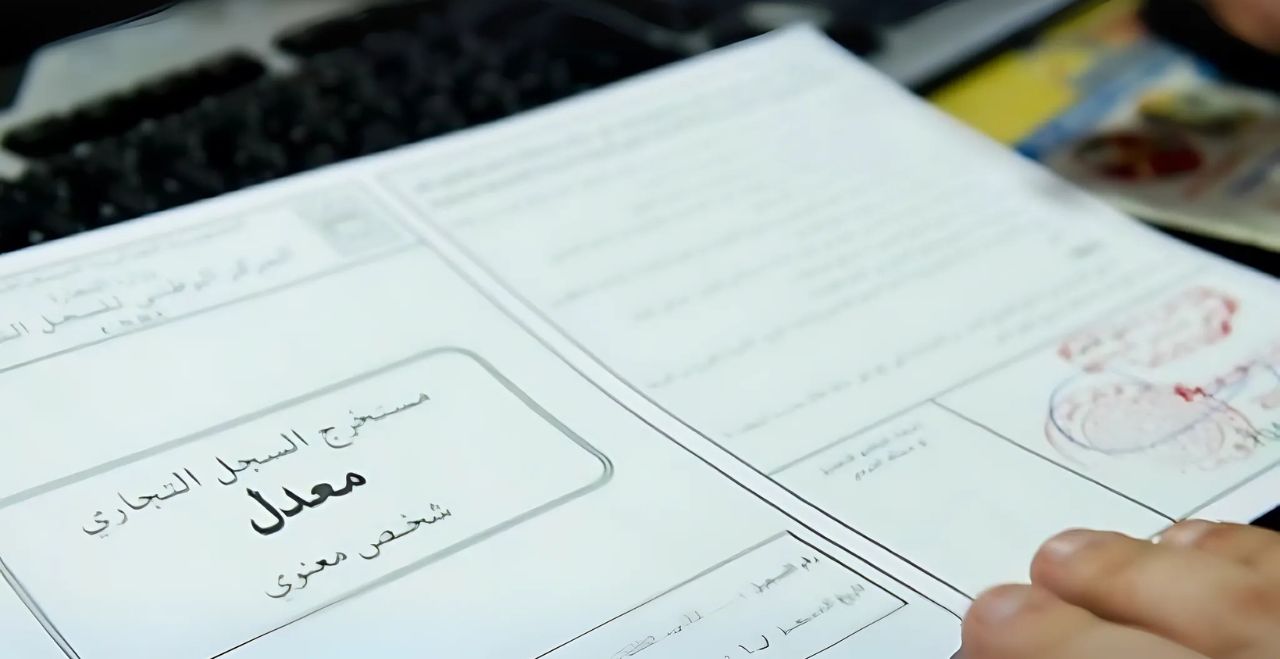
The Different Types of Companies in Algeria and Their Taxation
Algeria offers several legal forms for creating a company, each with its advantages, obligations, and tax framework. This article explores the main legal structures available, the steps to create a company, as well as the applicable tax regime.
1. Types of Companies in Algeria
1.1 Single-Member Limited Liability Company (EURL)
The EURL is a form of limited liability company with a single partner. It is suitable for individual entrepreneurs who wish to benefit from liability limited to their contributions.
Characteristics:
- Minimum capital: None required.
- Liability: Limited to the contributed capital.
- Taxation: Subject to Corporate Income Tax (IBS).
- Simplified management.
1.2 Limited Liability Company (SARL)
The SARL is a company consisting of at least two partners (up to 50). It is ideal for small and medium-sized enterprises (SMEs).
Characteristics:
- Minimum capital: 100,000 DA.
- Liability: Limited to partner contributions.
- Taxation: Subject to IBS.
- More complex administrative requirements than an EURL.
1.3 Joint-Stock Company (SPA)
The SPA is intended for large companies and requires a minimum capital of 1 million DA if it makes a public offering.
Characteristics:
- Minimum capital: 1,000,000 DA for a publicly listed SPA.
- Number of shareholders: Minimum 3 (7 if public offering).
- Liability: Limited to contributions.
- Taxation: IBS + dividend taxation.
- Complex management with a board of directors.
1.4 General Partnership (SNC)
The SNC is a partnership where the partners are jointly and indefinitely liable for company debts.
Characteristics:
- Number of partners: Minimum 2.
- Liability: Unlimited and joint.
- Taxation: Subject to IBS, but option for IRG possible.
- Not well suited for large companies.
1.5 Simplified Joint-Stock Company (SPAS)
Recently introduced, the SPAS is a flexible structure that facilitates partnerships between entrepreneurs.
Characteristics:
- Minimum capital: Not required.
- Liability: Limited to contributions.
- Taxation: IBS.
- More freedom in management compared to a SPA.
2. Steps to Create a Company in Algeria
2.1 Choosing the Legal Form and Drafting the Articles of Association
- Determining the appropriate legal structure.
- Drafting the notarized articles of association.
2.2 Company Registration
- Obtaining specific approvals or authorizations if necessary (in cases where the activity requires authorization).
- Registration with the National Commerce Register Center (CNRC).
- Obtaining the NIF Certificate (Tax Identification Number).
- Declaration of existence with the Tax Authority.
- Opening a bank account in the company's name.
- Affiliation with CASNOS (for individual entrepreneurs) or CNAS (for employees).

3. Corporate Taxation in Algeria
3.1 Corporate Income Tax (IBS)
IBS applies to companies according to the following rate schedule:
- 19% for production activities.
- 23% for construction, public and hydraulic works, and tourism activities.
- 26% for other commercial activities and service providers.
3.2 Value Added Tax (TVA)
- Standard rate of 19%.
- Reduced rate of 9% for certain goods and services.
3.3 Local Solidarity Tax (TLS)
To compensate for the decrease in local government tax revenues due to the abolition of TAP, the 2024 Finance Law provides for a reallocation of revenues from various taxes. These adjustments aim to strengthen the financial resources of municipalities and local authorities.
In this context, a new tax, the Local Solidarity Tax, has been established. It applies to certain economic activities and generates revenues exclusively earmarked for local authorities, thereby ensuring their financial stability.
This tax concerns operators engaged in the following activities:
- Hydrocarbon pipeline transport: rate of 3%
- Mining activities (profits subject to IRG or IBS): rate of 1.5%
Conclusion
The choice of legal structure is crucial for the success of the company. Taxation must be considered from the very creation in order to optimize financial management and ensure compliance with Algerian regulations.